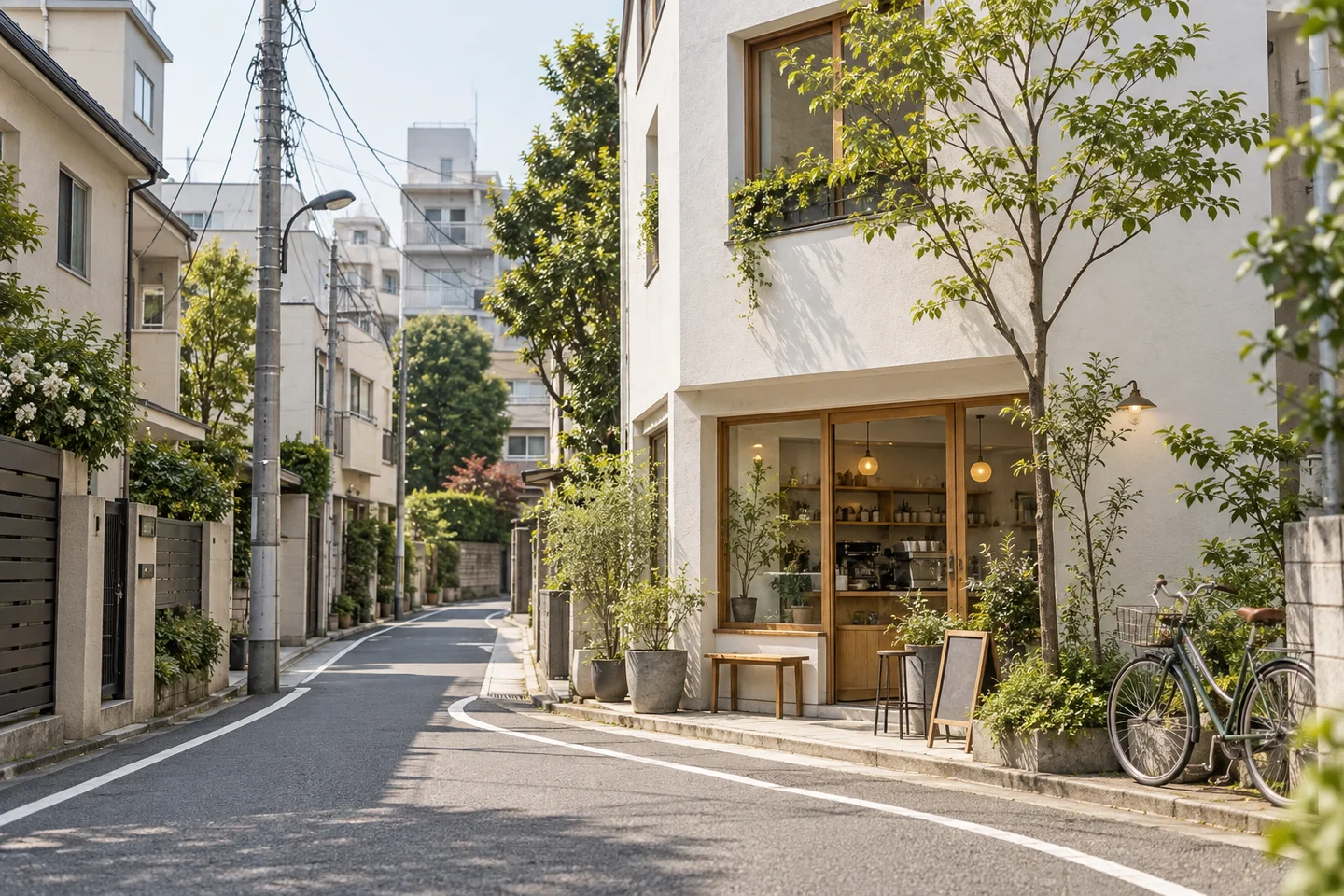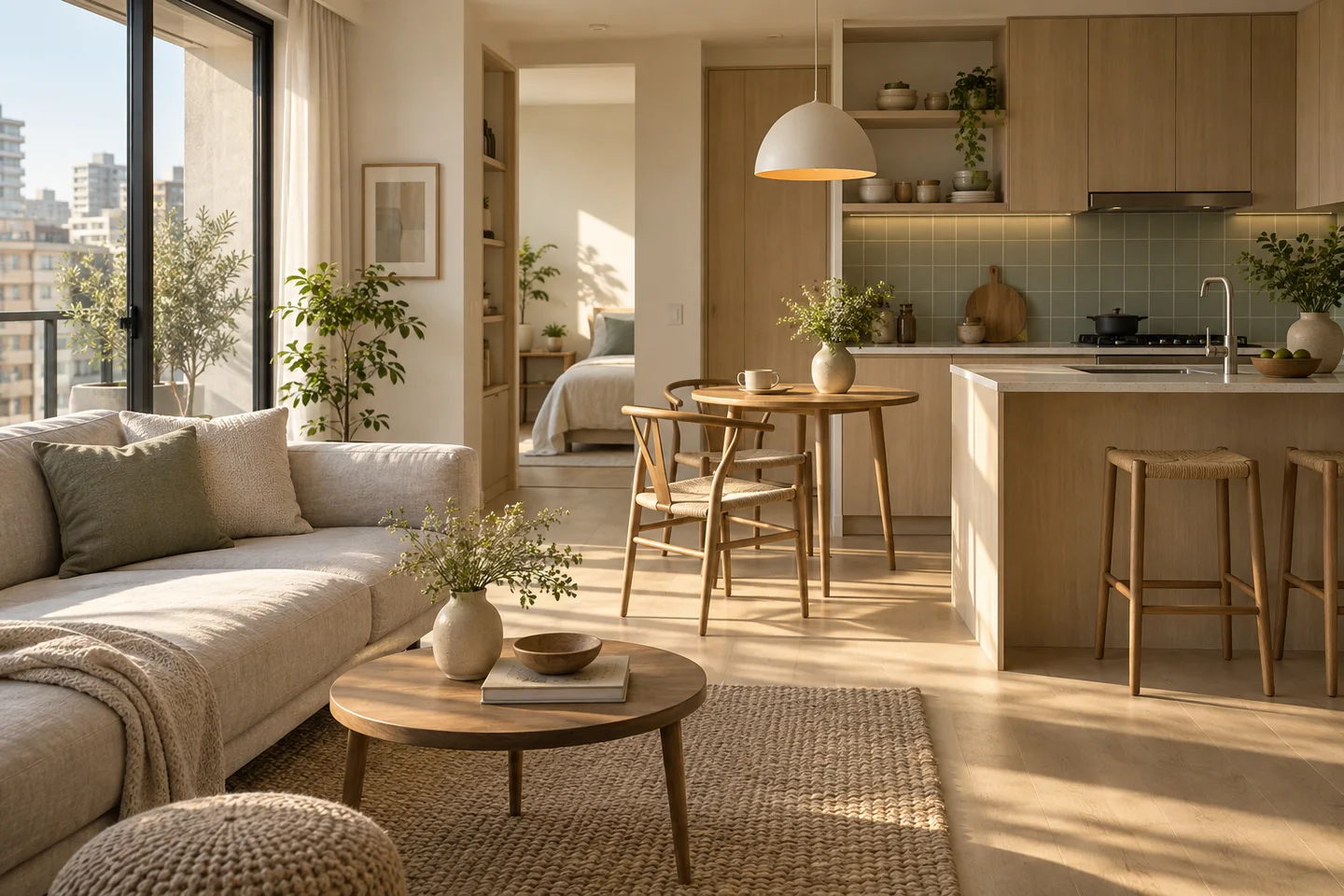
Do not rush away from your neighbourhood on the first weekend
After a week of leaving for work and returning at night, your neighbourhood may still mean only the station and convenience store. The first day off can tempt you straight onto a train for familiar sights. Alternatively, give half a day to the streets beneath your feet. Routes hurried through on weekdays can reveal entirely different uses.
This half-day does not need an impressive sightseeing route. Set out in a direction that is easy to return from, noticing places to sit, shop and perhaps take a different weekday route home. You are discovering the area you will repeatedly use over the coming weeks, rather than completing a must-visit list.
If you want an endpoint, choose something small: breakfast outside or a quiet reading spot. Decide whether to continue once that is done rather than requiring yourself to walk for several hours. A plan you can stop is particularly useful after the first working week, while you are still learning how tired you feel.
On returning, note one or two places to revisit. Check their current opening, access and usage information when needed. There is no need to photograph and annotate every corner as if producing a guide. Knowing which direction deserves a slightly longer walk after work next week is a sufficient first-weekend discovery.
Draw circles in time rather than kilometres
Think of three everyday ranges: a short weekday-evening outing, a comfortable half-day return trip and an excursion needing a full day off. Count each from your front door, including preparation, transport, time there and settling back in. Distance alone overlooks the energy required simply to leave home.
The same short distance feels different in rain, with shopping bags or when suddenly tired. Your radius is a tool for choosing, not a boundary you must break through. Wanting to stay closer one weekend does not mean your exploration has regressed. It reflects that week's work and the time actually available.
A few candidates at each level are enough: one walking route, one district for half a day and one more distant full-day plan. Too many options turn choosing into work. Leave some elements undecided so weather, energy and interest can contribute, instead of completing an overlong list item by item.
Assess travel across Tokyo and Kanagawa from your actual starting point using current transport information. Two names often mentioned together do not necessarily make an easy same-day combination. Check the complete return route before assigning a destination to a time range, replacing “sounds nearby” with a timetable that genuinely has room.
Take one main purpose and leave space along the way
Your weekend purpose might be an exhibition, a desired meal or a walk along an interesting street. Choose one main activity and add others as circumstances allow. With a clear priority, weather or transport changes make it easier to decide what to preserve instead of throwing every part of the plan into disorder.
If the main activity needs a booking or specified time, confirm current opening information and conditions before arranging travel around it. Old opening hours or event photographs online do not establish present availability. Checking need not become endless research: address the essentials that could otherwise make the journey pointless.
Leave some time before or after the destination without naming a particular shop. You might notice an appealing corner or simply want to sit sooner. That gap lets you respond to what is actually there rather than disregard somewhere inviting because the next stop is already written down. A longer stay allows wishes to remain unfinished.
Once the thing you most wanted is complete, an early return is entirely reasonable. Pick up ingredients on the way or preserve energy for dinner. A day's value is not measured by how late you return. Having time afterward for clothes, a call with friends or reading also makes a complete, comfortable day off.
Return to the same place to understand your own choices
A short holiday can make repetition seem wasteful, but over a month a second visit reduces navigation and comparison. You know the entrance, preferred seat and stretch where you want to slow down. Familiar procedures free attention for the surroundings rather than continually checking whether the next move is correct.
Add a small variation: a different time, another route back, or sitting down where you previously bought takeaway. A large change is unnecessary to reveal another side of the neighbourhood. You are developing a relationship with a place rather than increasing the number of locations visited.
Even when you like a shop or space, respect how it actually operates. Follow posted rules or answers to enquiries concerning photographs, extended seating, electricity and laptops. A long stay does not turn public or commercial space into your personal studio. Comfortable everyday life includes sharing surroundings with other people.
Annotate saved places with your own reason, such as “somewhere quiet after a demanding week,” rather than retaining only a beautiful photograph. Such notes help more than popularity when choosing next time. Expanding your radius means knowing not only more places, but which place suits you in which circumstances.
Make ordinary shopping part of discovery
Laundry and shopping need not be opposed to the weekend. Placing one household task on a short outing can introduce a new everyday route. Finish what needs doing and then leave time to walk. The route must make sense, rather than forcing a long detour with heavy items in the name of doing everything together.
Buy food and supplies with remaining stay days, storage and actual usage in mind. New products can make you want to try everything, but monthly living includes using purchases up. Try one new item at a time so novelty has a chance to enter daily life rather than remain in your luggage.
For a more distant weekend outing, do essential shopping beforehand or near home on return. Avoid spending the excursion worrying about tomorrow's missing breakfast or rushing back for supplies. Giving chores a small planned slot is often more relaxing than ignoring them all day and confronting everything that evening.
Keep an occasional weekend half-day entirely nearby: buy necessities, eat lunch and return to organise the room. Ordinary as it sounds, this keeps temporary accommodation usable. With everyday life supported, your next longer excursion need not begin under the weight of a string of unfinished errands.
Give rain and tiredness their own version
A plan that works only with sunshine and abundant energy can lose its appeal before departure. Create a lighter version: less walking, one stop or postponing the distant trip. The alternative need not be equally full; it only needs to suit your actual wish to rest or go out that day.
Check current information and access for indoor plans too. Do not assume rain means everyone can walk straight in. Include any queues or reservation requirements. Staying at your accommodation doing your own things is valid; you need not prove a rainy day was productive by undertaking a more difficult last-minute journey.
With companions or friends, discuss how far you want to go, when to return and which activities matter. Energy and interests differ, and specific agreement reduces guessing on the way. You can also share one part of the day and choose separate plans afterward, keeping companionship flexible.
Alone, you can adjust more directly to how you feel. Change the route if you would rather sit, or return to familiar surroundings if the journey no longer suits you. A weekend is not an endurance test. Recognising today's needs and changing the plan accordingly is part of becoming comfortable with a longer stay.
Leave with a map that carries your own impressions
At month's end, the strongest memory may not be the farthest destination but a route home where your mind cleared or a slow lunch on an ordinary corner. Annotate a few places you truly liked with suitable circumstances and information to recheck. The result is more useful than a bare location list.
Do not turn a brief impression into a conclusion about an entire area. Quiet on one rainy day or crowds at one particular hour are observations from that moment. Keeping time and context separates preferences from conditions that may change. Allow both the city and yourself to be different when you return.
Leave unvisited places for another time instead of completing them all on the final weekend. Later in the assignment, work handover and packing may need attention, making spare time especially valuable. Instead of chasing remaining bookmarks while tired, revisit a favourite and give this period of life an unhurried ending.
Your everyday radius is not a competition to keep pushing outward. Sometimes it expands; sometimes it returns to the same corner. Each choice teaches you which distances suit you. After a month, the unfamiliar city is still large, but several routes are now yours to choose without someone else's recommendation.
About this article and references
- Content and references
This article offers LIVIA's general suggestions for planning a work stay. Check the individual property page and your agreement for specific amenities, charges and conditions.
- Image information
- This is an illustrative photograph selected for editorial use. People pictured are not presented as actual LIVIA staff or customers, and the image does not represent a listed property.
- Publisher's role
- LIVIA publishes this article as a rental service provider. It includes information and links introducing our properties and related services.