Locate the part of Kawasaki where you work
Kawasaki is a city name, not a single commuting destination. After receiving an assignment, obtain the actual work address, arrival time and reporting procedure before comparing homes. Do not treat the area around Kawasaki Station as equivalent to every workplace within Kawasaki City. If you must report punctually each day, the journey from your front door to the site entrance affects life more directly than an overall impression of the city.
If work spans different areas, separate frequent destinations from occasional visits and weigh them by actual frequency. Include walking, waiting and transfers in route searches, then recheck official information for the travel date. This article does not promise fixed commuting times for any location. Its purpose is a consistent comparison method that lets you see exactly where convenience occurs.
Once the work route is clear, consider your evening and weekend range. This order avoids complicating daily travel for the sake of one holiday activity. Most of a month-long assignment consists of ordinary weekdays. Make those manageable, then fit exploration into the gaps, rather than requiring the initial choice to maximise both commuting and sightseeing.
Do only the essentials on the first evening
Arrival day consumes attention through luggage, language and unfamiliar streets. Save the address, access instructions and contact details, and confirm that your arrival fits the accommodation arrangements. Once inside, check the lock, lighting, water and bedding, then sort out connectivity and tomorrow’s work information. You need not finish every purchase or go out to prove the trip has officially begun.
An easy dinner, drinking water and breakfast for tomorrow are usually enough to settle the first night. Whether cooking or reheating is possible depends on the equipment and instructions for that room. Ask about unfamiliar appliances before operating them as you would at home. Resting before exploring local shops makes suitable choices easier than buying large quantities of uncertain supplies while tired.
If you arrive later than expected, contact management through the method provided in advance instead of assuming every access procedure can be postponed. Colleagues arriving separately also need their registration and access arrangements checked beforehand. The first day’s essential achievement is that everyone knows how to rest tonight and leave tomorrow. Other details can be added over the following days.
Establish three low-effort dinner options
After a busy day, deciding what to eat can be more tiring than eating. Early in the stay, identify three approaches: eat on the way home, bring something back for simple preparation, and use a fallback when work runs late. Check them against your budget, diet and actual opening hours. There is no need to find the highest-ranked restaurant daily. Stable basic choices make dining out easier to enjoy.
Eating in the room also involves seating, dishes, cleaning and waste sorting. If the equipment only supports reheating, choose food accordingly instead of ingredients requiring a full kitchen. Buy small amounts while learning your appetite and fridge capacity, then decide after several days whether cooking suits you. A routine you can maintain is more useful than an ideal healthy menu that feels burdensome every night.
You might reserve one or two evenings for deliberately slower meals, without making every meal a social or exploratory assignment. When rest is needed, eating simply and returning home is reasonable. If the team frequently dines together, clarify required work meals and optional gatherings. Flexibility prevents every evening of the month from becoming another stretch of working time.
Make the room usable before settling down
Try a brief arrival routine: put away keys and the work bag, connect devices needing charge, store the day’s documents, then choose your evening activity. This is not a universal standard of tidiness; it reduces tomorrow’s searching. Spreading everything across the bed every day creates another clearing task before sleep, allowing small chores to interrupt the rest you intended to take.
Fit laundry into a regular rhythm instead of waiting until clean clothes run out. Confirm how room or shared equipment works, permitted hours and drying arrangements, then choose a day you usually return at a reasonable time. Keep an alternative slot for changes in weather or work. Once clothing care has a rhythm, the whole weekend need not become a catch-up session for household tasks.
When something needs management’s attention, record the specifics and time when you notice it, then ask through the appropriate channel. Separating equipment problems from personal habits makes improvement easier than quietly accumulating frustration. A month-long room need not be perfect, but basic uncertainties should gradually become clear so returning can mean temporarily setting aside the outside world.
Begin with half a weekend day
A full weekend can tempt you to turn every hour into sightseeing. After a working week, however, you may also need sleep, groceries, laundry and family contact. Plan one definite half-day outing and leave the rest open. This is room for weather, energy and unexpected work, not a failure to enjoy enough. A long stay lets expectations spread across more than a single day.
Start with the feeling you want: walking, an exhibition, quiet reading, a good meal or seeing a friend. Then choose a place using current information and confirm opening hours and booking arrangements. A popular destination need not enter a weekend when you actually need rest. Suitability for your present condition matters more than completing a collection of saved places.
If travelling with colleagues, agree on one shared activity and let everyone arrange the remainder. Wanting an early start or a late sleep does not indicate unwillingness to cooperate. Clear meeting and return plans, together with personal space, can help teamwork remain comfortable during the working week. Weekends need not reproduce the same unified weekday timetable.
Keep a manageable rainy-day version
Plans built only around sunshine require complete rebuilding when rain arrives. When viewing accommodation, notice homeward and shopping routes; after arrival, learn about indoor options you might use. Do not assume a passageway or facility is always available. Confirm actual access and road conditions on the day. A backup gives you direction when weather changes without guaranteeing that plans remain unaffected.
The room itself belongs in rainy-day planning. Being able to sit for a meal, organise documents or read, and dry laundry according to the rules, affects a day spent indoors. If work equipment covers the entire desk, clear one small area for ordinary living. Days with fewer outings often reveal most clearly whether the accommodation suits a longer stay.
Keep a personal list of things that do not require going out: read several pages, organise photographs, call family or choose next week’s outfits. Few options are enough, and each need not be productive. Rest does not require a result you can display. When rain stops meaning a wasted day, it becomes easier to follow your own rhythm instead of being driven by the original itinerary.
Make time for familiar people
A month overseas involves adapting to a new environment while temporarily moving away from familiar circles. Agree on a mutually convenient time to contact family or friends, adjusting around work. Leaving every call until everything else is finished often pushes it into the most exhausted part of the day. Brief, regular conversations can still help people far away understand how you are doing.
To share everyday Kawasaki life, record a route you would walk again, a meal or a small discovery outside work. Avoid photographing or publishing sensitive company or personal information. Records need not be posted: a few written lines may be meaningful to revisit later. The memory of an assignment is not made solely from important meetings. Ordinary moments also give a stay its shape.
Respect evenings when you do not want to socialise. Distinguish necessary work contact from rest-time notifications, following the company’s standby and emergency-contact rules. If boundaries are unclear, align with the responsible person early instead of guessing whether each message requires an immediate reply. Knowing when you can rest is an important foundation for planning evenings and weekends.
Lighten daily life before leaving
During the final week, reduce stockpiling, use opened ingredients and confirm the last laundry and checkout procedure. Follow the provider’s instructions for waste, equipment, keys and departure time instead of importing habits from other accommodation. If work or other plans remain on departure day, confirm luggage handling early so the final evening does not become a series of improvised solutions.
When reviewing the month, keep practical living notes alongside work outcomes: things you need not pack next time, room conditions worth asking about early and dinner arrangements that required least effort. Those experiences can improve the next trip more than saving additional property listings. Difficulty adapting is not automatically a personal failing; it may point to different conditions you need next time.
Evenings and weekends in Kawasaki do not need another dense task schedule. When food, laundry, contact and rest have simple arrangements, exploration gains room to happen. Include these ordinary moments when considering monthly accommodation. A useful room helps you leave punctually and preserves the capacity to return time to yourself at the end of the day.
About this article and references
- Content and references
This article offers LIVIA's general suggestions for planning a work stay. Check the individual property page and your agreement for specific amenities, charges and conditions.
- Image information
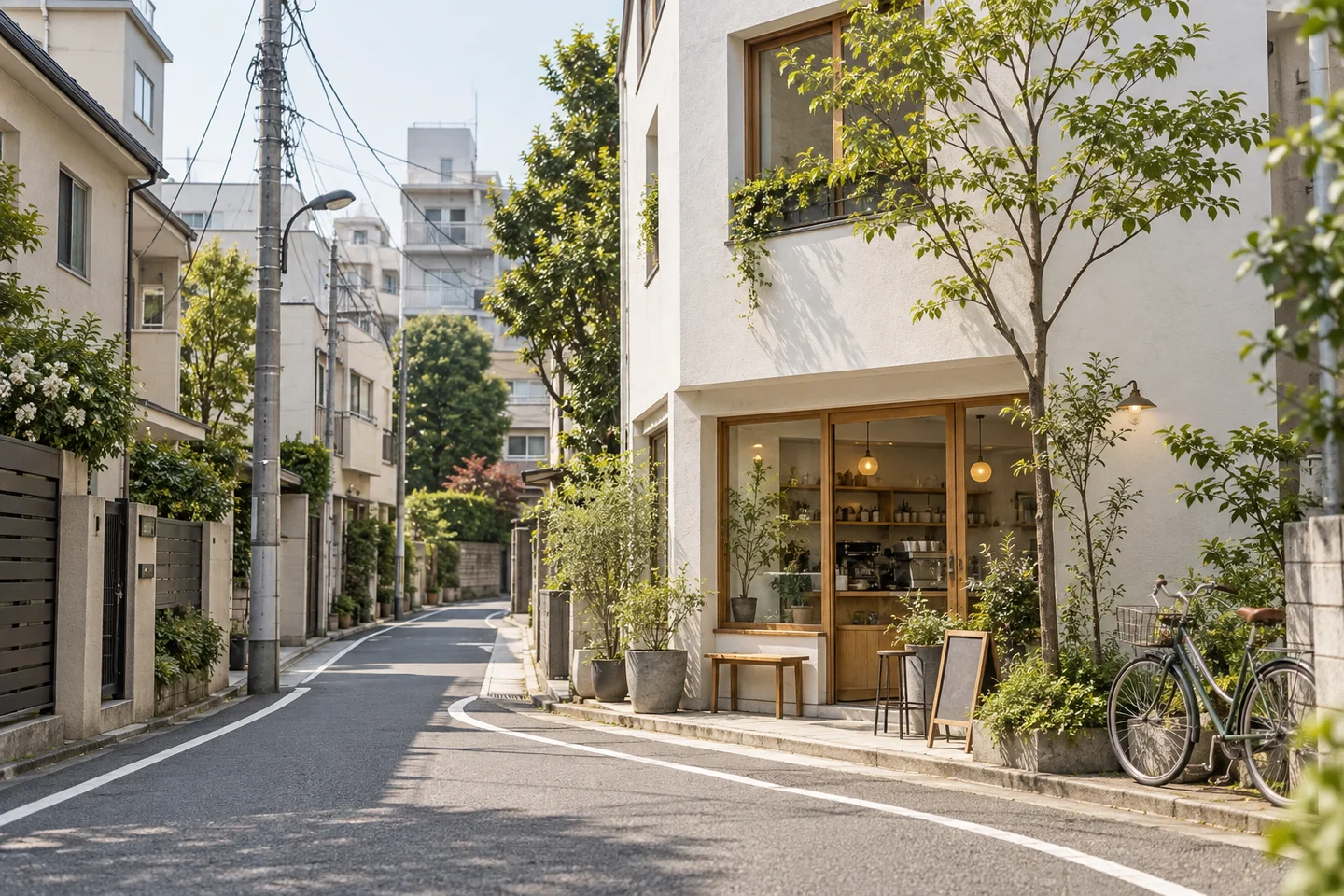
- This illustrative image was created with AI for LIVIA. It is not a photograph of a listed home and does not represent actual amenities, views or streetscapes.
- Publisher's role
- LIVIA publishes this article as a rental service provider. It includes information and links introducing our properties and related services.