Work ending does not always mean the day has loosened its grip
A business-trip day may end at the office, or merely move from one desk to another in your room. Messages keep arriving, dinner is undecided and luggage lies open in the corner. Living alone offers freedom, but nobody announces that you are off duty. A comfortable evening often needs a clear beginning.
That beginning can be small: change out of work clothes, return your bag to its usual place, shower or clear the table for dinner. It need not become an elaborate ritual, just something repeatable. With repetition, the room becomes more than an extension of the office; it begins to feel like coming home.
If company duties genuinely continue into the evening, establish when you must be available and when you can rest. Being away does not automatically make every gap working time. Coordinate availability and responsibility with your organisation, and define work periods clearly so the whole evening is not spent waiting for messages without focus or relaxation.
Some evenings will still feel disorganised. That does not mean you are bad at everyday life. Keep a simple route back: eat, prepare tomorrow's essentials and get ready for bed. Protect basic needs before exploring the city. Every solo evening need not be remarkable to make overseas time worthwhile.
Prepare three levels of dinner, not thirty restaurant listings
Saving many restaurants does not necessarily answer what to eat when exhausted. Prepare three levels: an almost thought-free option, a meal worth sitting down for when you have energy, and a special weekend experience. Choosing according to that day's condition is easier than comparing a long list every evening.
For the simplest option, consider how you obtain and use it, not just its appeal. Can you buy it on your route home? Are suitable utensils available in the room? How will you tidy up? Shop hours and offerings can change, so check current information rather than assuming a saved place is always a reliable fallback.
If you want to cook, start with meals using only a few tools. Confirm permitted use and existing equipment before shopping. Do not buy large quantities for an imagined healthy routine that you cannot finish. A repeatable meal with easy cleanup suits a busy week better than one elaborate dish made only once.
Eating alone can still be a complete activity. Close work windows, sit properly and leave time without typing messages. If you want a programme or article, consciously choose one. When eating is more than fuel squeezed between tasks, the evening gains a period that properly belongs to you.
A walk can be short; make returning straightforward
An after-work outing need not involve a train to another popular district. Begin with a short, recognisable route near home and notice shopfronts or corners missed during the day. Moving your body or seeing different light is enough; no essential restaurant stop is required. Short routes fit weekdays and changing weather more easily.
Consider daylight, road conditions, how you feel and the return route. A short distance on a map does not replace attention to actual conditions. Familiarise yourself with a new direction in daylight if helpful. If a stretch feels uncomfortable, change route or return early. There is no mileage target to demonstrate to anyone.
Give the walk a light theme, perhaps spotting somewhere to sit next time or noticing household shops. A theme can direct attention without becoming an achievement requirement. Record something interesting if you find it; finding nothing is also fine. A few dozen minutes away from work thoughts is already a complete purpose.
Choose your return time around tomorrow's commitments. An early site visit calls for a shorter walk; a gentler morning may allow longer. Let genuinely available time determine distance instead of travelling far and then compressing sleep. That approach is easier to sustain over a month.
Give a small room different uses
One room can support work, meals, reading and rest without keeping every object in the same state. After work, put the laptop and documents away and leave out only what comes next. You may not be able to change the room's size, but you can change what is in view and make the transition tangible.
If there is only one table, assign uses by sequence rather than separate zones. Finish work, clear it for dinner, then decide between reading and organising documents. Do not ask one table to perform every role simultaneously. Putting things away may seem an extra step, but reduces unfinished work pulling at your attention while eating.
Adjust lighting and sound within the available equipment and accommodation rules. Understand what is adjustable rather than dismantling or modifying fittings. Consider companions and neighbours when playing sound, and leave some genuine quiet even if you use headphones. Comfort does not require many purchases; sometimes it means fewer simultaneous stimuli.
Keep only genuine bedtime essentials beside the bed, with tomorrow's work items in another fixed place. The goal is not a showroom photograph, but reaching what you need without searching luggage again before sleep. Order during a month's stay should serve life, not become another daily job.
Solitude, loneliness and wanting contact are different needs
Returning alone may feel freeing one day and make the city seem distant another. You need not immediately fill that feeling with plans. Ask whether you want quiet, conversation unrelated to work or company over dinner. Each need has a different response; another sightseeing stop may not provide the connection you want.
Arrange a suitable call with someone familiar, or invite a colleague to dinner where the working relationship allows. Leave room for both invitations and refusals, and avoid making every night compulsory social time. Knowing a few people you can contact at particular times can make connection more concrete than continually scrolling social feeds.
Before attending a public event, check its current details, language, location and participation conditions, then decide whether it interests you. Being abroad need not force you into occasions you would otherwise decline. You can leave before the end or spend an entire week without new social arrangements, preserving quiet outside work.
Sometimes you simply need to express the day. Write a few lines in your own language or record a voice note for yourself. It need not resemble travel writing: note what was demanding or which meal felt comfortable. Recognising the feeling helps you choose whether tomorrow needs more company or more open space.
Make room for chores without giving them the whole evening
Long stays involve laundry, expense records and replenishing supplies. Doing everything only when it comes to mind breaks evenings into scattered reminders. Choose a few suitable weekly periods to group chores, alongside evenings without them. Adjust for equipment conditions and working hours so recurring tasks have a predictable place.
Give chores a finishable scope. Sort this week's receipts rather than build an entire financial system; prepare the next two days' clothes rather than reorganise all your luggage. Temporary accommodation need not become another self-improvement project. Once you have completed what helps tomorrow, the task can stop.
Keep a small shopping list and group genuinely missing items for the next convenient trip. An unplanned evening need not turn shopping into a daily destination. Every new item brings storage and departure decisions. Asking “How often will I use this this week?” helps more than imagining all its possible uses.
When work has exhausted you, use a minimum version: prepare tomorrow's essentials, remove clutter that prevents use and leave the rest for its planned slot. Stability does not mean accomplishing the same quantity every night. It means having a basic method that does not add to tomorrow's burden when today is busy.
Choose an evening you would willingly live again
By the second week, recall which evenings led to the calmest mornings. Perhaps they involved no special outing, simply timely food, an early return and a definite end to work. Keep the repeatable parts as your weekday pattern. Someone else's image of city life need not determine whether your own evening was worthwhile.
At weekends or during lighter work periods, plan one activity requiring more time. This allows exploration and room to restore routine. If you want to watch a whole film at home, make it the evening's main activity instead of combining it with email, laundry and restaurant searches until none is fully enjoyed.
Before leaving, retain a few useful routines rather than document every night. Shops and routes will differ in the next city, but you will know your transition time, easiest dinners and the kinds of contact that make solitude comfortable. These experiences are more reusable than a long collection of check-in locations.
Solo travel freedom includes deciding, according to your condition, that tonight is enough—not only going wherever you wish. When your room can receive you after work, the wider city becomes easier to discover gradually. Life after closing the door deserves as much thoughtful planning as work during the day.
About this article and references
- Content and references
This article offers LIVIA's general suggestions for planning a work stay. Check the individual property page and your agreement for specific amenities, charges and conditions.
- Image information
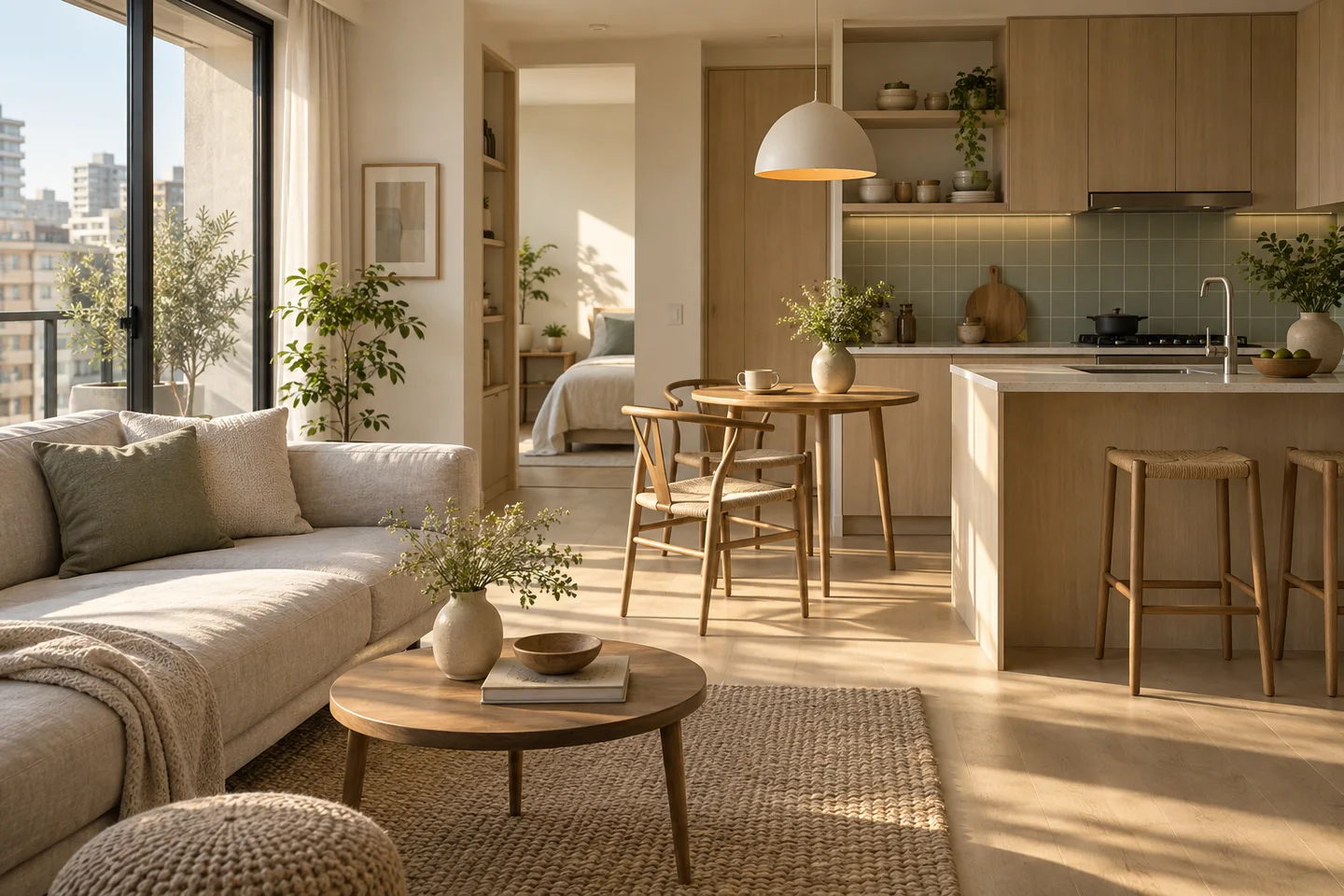
- This illustrative image was created with AI for LIVIA. It is not a photograph of a listed home and does not represent actual amenities, views or streetscapes.
- Publisher's role
- LIVIA publishes this article as a rental service provider. It includes information and links introducing our properties and related services.