The Yokohama you need goes beyond a harbor photograph
Yokohama may bring waterfronts, night views, and weekend walks to mind. A month of business travel asks more ordinary questions: how to reach work on Monday, eat after a late return, and rest without constantly moving on weekends. Harbor scenery can enrich life but cannot replace basic housing needs. Make weekdays work first, then fit exploration into the space left over, so the city's appeal does not become another scheduling pressure.
Official Yokohama tourism information describes different areas, including Minato Mirai and Sakuragicho, Kannai, and Shin-Yokohama. Their names help build an initial map, but cannot establish the convenience of a particular property for your office. Streets, regular stations, and destination entrances differ within an area and need individual checks.
This article focuses on choosing and organizing, without offering unverified properties, prices, or journey times. Mark work and other essential destinations first, then place these areas beside them for comparison. Connecting names with actions turns accommodation search from photograph browsing into the design of a sustainable business stay.
Use Yokohama Station as a comparison point, with direction in mind
Yokohama Station may enter your shortlist if work takes you to several places. But a large station is useful only through the routes you actually take. Look at your approach from home, regular exits, transfers, and final walk together. Near Yokohama Station is not enough information to judge everyday suitability.
Check the trip to work, the return, and arrival day separately. A route acceptable without luggage may need changing with a suitcase. A morning transfer should also fit expected evening travel. Use current transport information instead of treating one search as a fixed answer. Include any late meeting day to understand more than the ordinary workweek.
Life around the property matters equally. Read shop information through your dinner habits: quick dining, takeaway, fruit, or ingredients for cooking. A route linking work, shopping, and home removes one separate decision to go out. For longer stays, that unremarkable convenience can be more useful than the number of famous shops nearby.
Around Minato Mirai and Sakuragicho, separate events from everyday life
Minato Mirai and Sakuragicho are important areas in Yokohama's official information. If your work, meetings, or events are here, search around the actual venue and compare stations and walking directions. Check the exact position of the venue or office building. An area name in event publicity may not identify the most practical exit for daily use.
The area also features in sightseeing plans, but business travel need not turn every evening into a tour. Walk if you have energy after work; rest in your room when weather or tiredness suggests otherwise. Prepare both a lighter and a more active evening option. An appealing setting can remain a choice rather than an obligation to make full use of it every day.
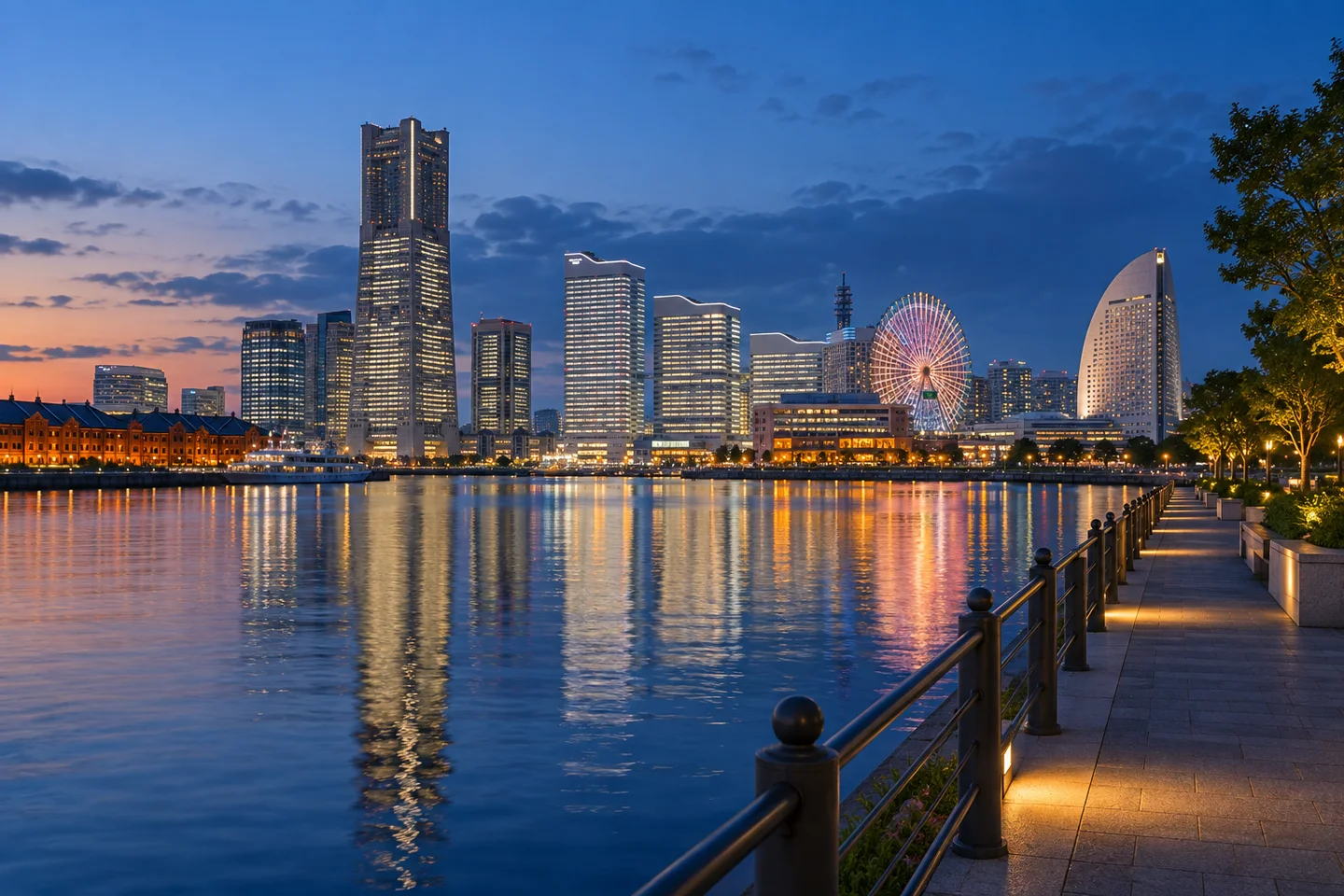
When waterfront photographs catch your eye, return to the specific room. Views, sunlight, noise, and walking distances cannot be assumed from the area alone. If one feature is a reason to pay more, confirm it belongs to the room type you are booking. Separating neighborhood impressions from room facts preserves realistic expectations.
For after-work walks, prepare one short route and another for days with more time and energy, choosing according to weather and circumstances. The shorter route needs little preparation and can change your pace even in a small gap. Save the longer one for fresher days. Both can stay nearby; relaxation need not require a train journey elsewhere.
Get to know Kannai through your own walking radius
Kannai is another area in official local introductions. If work is nearby, map the office, candidate property, and usual stations together to see whether a simple walking routine is possible. Set tourism labels aside and check ordinary tasks: breakfast, dinner after work, household supplies, and returning to rest.
Design a short loop from home to a regular shop and back. It need not pass landmarks; it helps build a sense of direction in unfamiliar streets. At first you may consult the map at every junction. After several walks, recognizing a corner makes daily life lighter. Familiarity on a longer stay often grows through these repeated routes.
Even if you enjoy exploring after work, keep permission to do nothing. Eating out and simple meals at home can coexist, as can walking and reading indoors. Accommodation provides somewhere to return, as well as an endpoint for sleep. Ask whether you would want to spend an ordinary, event-free Tuesday here.
Judge Shin-Yokohama through work-related movement
If work, meetings, or intercity journeys use Shin-Yokohama, compare it separately rather than treating all Yokohama accommodation alike. Confirm actual origins and destinations, then consult current transport information. Passing through occasionally and using a place daily carry different weight. One trip need not outweigh convenience on most other days.
Break a workweek into days: fixed office attendance, client visits, and work in your room. Apply the same schedule to two candidate areas and their different strengths become clearer. You need not find a mathematically unique answer, but should be able to explain why one option fits this assignment better.
Plan luggage routes for arrival and departure separately. Walking may suit daily commuting but need adjustment with cases. Check entry and checkout times before arranging transport, so work completion, packing, and travel do not crowd into one tight period. The first and last days of a monthly stay deserve more breathing room than ordinary workdays.
Build a week with space for work and recovery
In the first week, establish just three things: a dependable commute, manageable meals, and time for laundry and shopping. Explore more once those foundations work. People can struggle with a longer stay because basic life remains unsettled, leaving every free moment occupied by errands, rather than because they have too few activities.
Try a two-stage weekday evening. First handle essentials, such as dinner and preparing tomorrow's belongings. If energy remains, choose one enjoyable thing, perhaps a short walk. There is no need to take a train somewhere new each time. When leisure no longer competes with laundry and shopping, exploration becomes easier and curiosity lasts longer.
Leave roughly half the weekend open to conditions on the ground. Decide between the waterfront, nearby streets, or a longer outing according to weather, work fatigue, and mood. For specific facilities, check the latest official opening and reservation information before going. Saved places offer inspiration, not obligations. A month gives you time to wait for a better day.
Recording places you would revisit also helps plan rest. At the weekend, choose from a few existing interests instead of researching the whole city again, leaving more time to experience the day itself.
Settle in before deciding how far to expand your routine
After a week, review your original arrangements. Does commuting match expectations? Which shopping trips can combine? Which evenings need an earlier rest? Raise accommodation questions, such as equipment use or extensions, with concrete details rather than saving everything until departure. Early clarification improves the remaining stay and prevents treating uncertainty as something you must endure.
By the third week, reduce unnecessary purchases and organize expense records and checkout plans. Spreading the finish over several days preserves some final leisure time. An extended project requires fresh confirmation of availability, charges, and procedures; an inquiry alone does not secure more nights. Knowing the next step is more useful than worrying about every possible change.
An ideal Yokohama business stay need not offer a daily sea view or the most familiar address. It may simply provide an easy work route, several uncomplicated dinners, and a room where you can rest confidently. Once these details settle, the city's scenery can enter life at your pace instead of passing by in a hurried itinerary.
If companions spend their days differently, let them review the neighborhood too. Commuting is only part of shared life; their walking, meals, and return routes matter as well. Sharing these needs early need not increase the budget. It can align expectations of the same property and prevent misunderstandings discovered only after arrival.
About this article and references
- Content and references
The official resources below cover the areas discussed here. Check them for current transport, opening hours and services when planning your visit.
- Image information
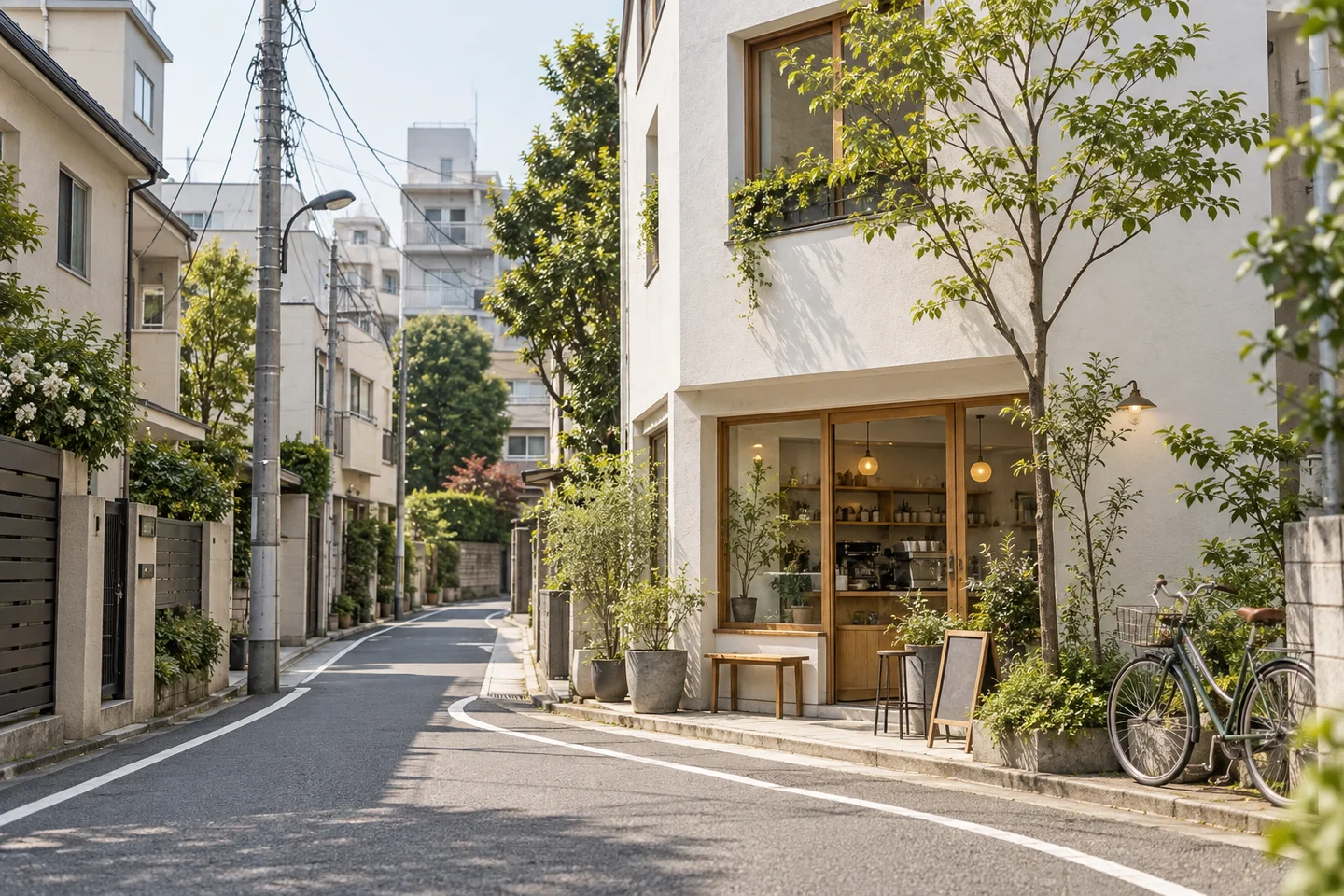
- This illustrative image was created with AI for LIVIA. It is not a photograph of a listed home and does not represent actual amenities, views or streetscapes.
- Publisher's role
- LIVIA publishes this article as a rental service provider. It includes information and links introducing our properties and related services.