Kawasaki is more than the space between two cities
When planning work across Tokyo and Kanagawa, Kawasaki can appear simply as a middle area where accommodation might be available. But a month is lived through particular streets, stations, and shops, not an abstract geographical position. Alongside asking how quickly you can go elsewhere, ask whether you could comfortably handle life outside work without leaving the neighborhood today.
Kawasaki City's official information describes varied areas, including the commercial surroundings of Kawasaki Station and neighborhoods with different everyday and cultural resources. The city is not one uniform accommodation option. Work routes, shopping, and ways to rest can differ within it. Assess areas through your actual destinations instead of assigning a single label to the whole city.
If assignment documents say only Kawasaki, obtain the exact work address before searching. Offices, sites, training venues, and clients can point the search in very different directions. A place name is only the first layer; the useful starting point is the door you must reach each day. Getting it right prevents spending time comparing properties in the wrong area.
Around Kawasaki Station, connect shopping with commuting
City and tourism association information introduces commercial and dining resources around Kawasaki Station. For an extended business trip, the aim is not to try every shop, but to identify a few reliable choices. Weekday dinner, breakfast ingredients, household supplies, and a brief pause after work become easier when they fit along one route home.
Confirm the station, exit, and direction you will actually use. Similar station or entrance names cannot simply be substituted in your itinerary. If work involves rail travel, verify routes with current operator information. Enter both the accommodation and office addresses and examine the complete journey, rather than relying on the most prominent station name in the listing.
Picture the evening routine as well. Would you rather sit down to eat or shop quickly and return? Do local options fit your usual finishing time? Check current opening hours and keep an alternative. The most useful shop on a business stay may not be the highest rated; it may be the one that makes a meal easy after a demanding day.
When saving locations, retain Japanese station names, building names, and addresses, too. This avoids searching again when translated names differ from signs on site, and helps with booking correspondence and travel. You do not need every place name memorized. Consistently identifying your few regular locations with companions makes life much simpler.
At Musashi-Kosugi, turn transfer choices into your own routes
Musashi-Kosugi can enter the comparison when work routes extend in several directions. Tokyu's official station information provides a way to check the circulation you will use. Many transport options do not make every property equally convenient. Combine the property's position, usual entrance, and destination direction instead of stopping at an impression of good transport.
For two regular workplaces, check each route and record how many days you visit. A journey used four days may deserve more weight than one used once. If two homes have different advantages, compare the full week's burden rather than the shortest single search result. This also makes the decision easier to explain to your company or companions.
Read station maps before arriving at large or multi-line stations. This need not become complicated homework: know which way to go and how to reach home after exiting. Check an appropriate alternative if carrying substantial luggage. Arrival and everyday commuting need not use identical paths. A simpler first journey leaves more capacity for getting familiar afterward.
For Mizonokuchi and Shin-Yurigaoka, return to your destination
Kawasaki's tourism association also introduces commercial resources around Mizonokuchi and Shin-Yurigaoka. If your workplace lies in those directions, compare them independently instead of searching only around the more familiar Kawasaki Station. Check actual weekday transport and walking first, then room conditions. A base useful for someone else's Tokyo sightseeing may not serve your daily destination.
Reassess everyday facilities around each candidate property. Shops, roads, and housing occupy different positions even under the same station name. Imagine getting breakfast, making one shopping trip, and returning from work. Can those three actions happen easily? Once routine needs are met, consider desirable but less frequently used features.
If companions remain nearby during the day, compare their range of activities too. One person may leave by train while another handles most tasks on foot, creating different meanings of convenience. Having everyone describe a day is more useful than separately asking for a convenient location, and makes a shared choice easier to reach.
Establish three anchors in the first week
There is no need to explore everything immediately. Find three anchors: a repeatable way to eat, somewhere to replenish household supplies, and a place to relax outside work. The third might be a walking route or a reading corner arranged in your room; it need not cost extra. These anchors give the week structure and help absorb unexpected changes.
Combine shopping with other journeys. Note supplies in the morning and pick them up after work, instead of discovering a need only after returning home. Keep initial quantities modest, especially food and items you may not finish. A month allows adjustment; one large arrival-day purchase need not predict the entire stay.
Laundry and room care also need a regular place in the routine. Understand the actual equipment, instructions, and accommodation arrangements before choosing a frequency. Ahead of busy workweeks, prepare clothing you will need next week. These tasks may not feel like travel, but directly affect whether energy remains to discover the interesting parts of the city.
The three anchors can change with work. A week of late finishes may need easier meals; a week spent working indoors may call for shopping before the less mobile days begin. The constant is looking after daily needs. The method can stay flexible.
Keep culture and walking as choices on days off
Official Kawasaki tourism information also introduces cultural facilities and green spaces, including Ikuta Ryokuchi. If these appeal, choose one suitable destination for a day off and check the latest official opening and booking information before visiting. The purpose is a different rhythm outside work, not completing every nearby attraction.
Ask what you need from a day off: movement, a change of scene, or simply quiet. When you want activity, choose a route with manageable transport and physical effort. When you need rest, staying nearby is enough. Long-stay weekends need not be busier than weekdays; preserving capacity before a demanding week can stabilize the whole trip.
Return to a place if it feels good. Revisiting avoids researching an entirely new set of details and lets you notice things missed the first time. Learning a shop's ordering process or recognizing a turn shows daily life taking shape. Business travel may offer limited freedom, but that time need not always be spent adapting.
Use the first week's experience to adjust the rest
After a week, look at what actually works. Perhaps plans to eat out daily have become a preference for occasional simple meals at home. Perhaps a supposedly convenient route has a better alternative for returning. These discoveries need not invalidate your choice; turn them into small adjustments. Feeling settled grows through revision, not complete mastery on arrival day.
For room questions, contact the accommodation with concrete details: which equipment, when something happened, and what you need to know. Extensions, early departure, or additional guests also require formal confirmation, rather than plans based on assumptions. The busier work becomes, the more useful it is to turn uncertainties into clear next steps instead of keeping them unresolved mentally.
In the last week, gather receipts, reduce food stocks, and review checkout instructions. Completing the ending gradually leaves time to walk familiar streets before leaving. Kawasaki need not remain a stop on the way to other cities. When work and routine fit together here, it can become the place where you actually lived this month.
Complete company administration while choosing accommodation. If payer, guest, and contact are different people, establish how information is provided, who saves documents, and who decides on date changes. These are not neighborhood features, but they affect whether you can work calmly after arrival. Clear roles and procedures return attention to the city and daily life in front of you.
About this article and references
- Content and references
The official resources below cover the areas discussed here. Check them for current transport, opening hours and services when planning your visit.
- Image information
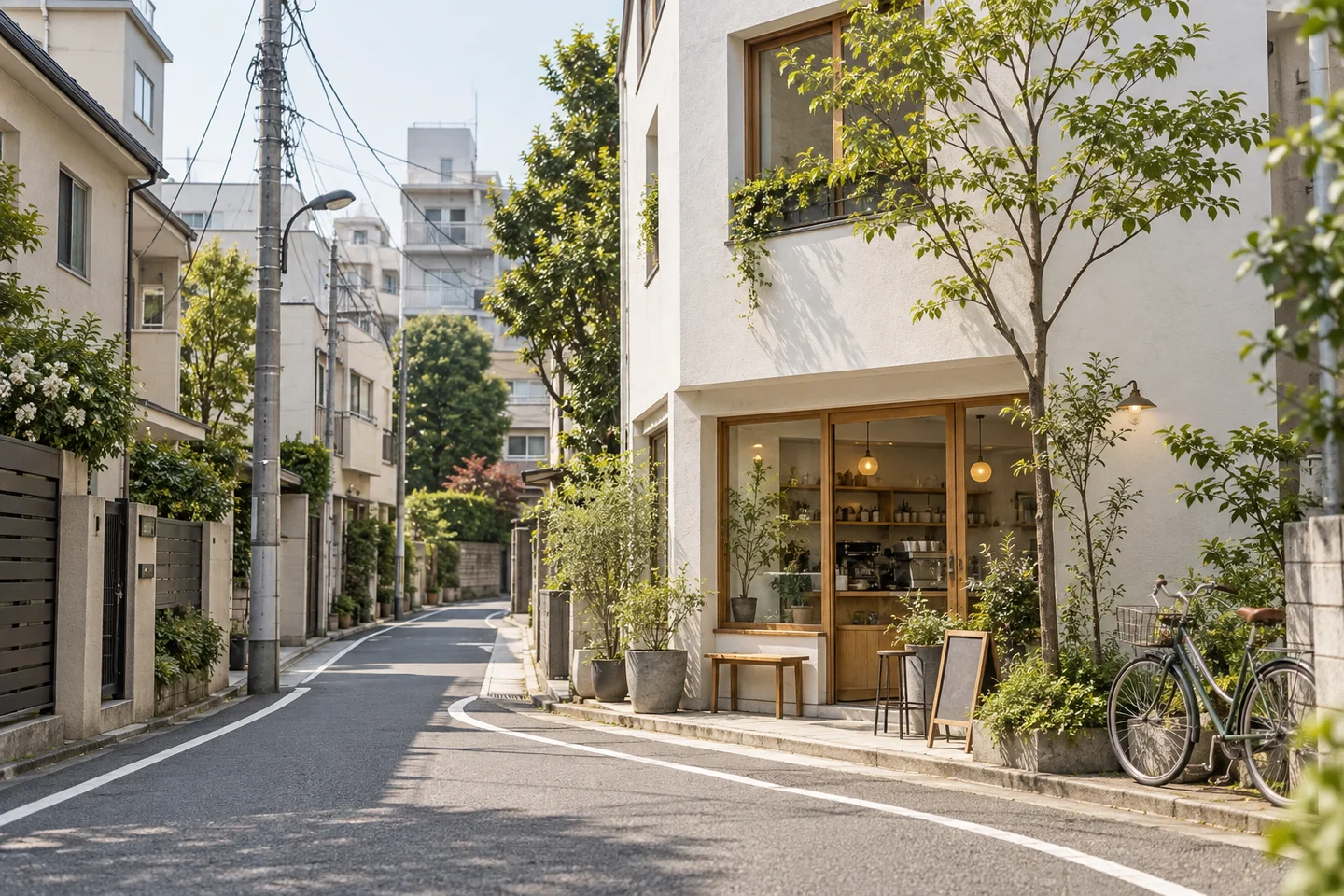
- This illustrative image was created with AI for LIVIA. It is not a photograph of a listed home and does not represent actual amenities, views or streetscapes.
- Publisher's role
- LIVIA publishes this article as a rental service provider. It includes information and links introducing our properties and related services.