A station name is not a complete work address
“Near Shinjuku” is an understandable description, but may be too vague for choosing accommodation. The office’s direction from the station and its reporting entrance change the actual commute. Obtain the full address, then inspect the building and surrounding roads. If you will work at several locations, mark each separately. Addresses containing Shinjuku should not automatically be treated as the same destination.
Shinjuku has multiple railway operators and many exits, so the information needed for transfers and walking is not uniform. Start with the official station map for the line you will use, confirming the platform, ticket gate and destination direction. Even a property described as near Shinjuku Station needs a closer look at which side it occupies. One station name can represent very different daily journeys.
Your first arrival may differ from later ones: visitors might report to reception or the team might meet at another entrance. Confirm a specific meeting point and contact method with the company. “See you outside the station” is incomplete. For an overseas visitor, being able to explain where to wait is more useful than memorising every exit. You need one repeatable route, not complete mastery of Shinjuku.
Compare central and surrounding locations together
Keep both homes near work and surrounding options requiring a simple train journey on your shortlist. Compare total accommodation cost under the same conditions, door-to-door time, transfers and workspace. Avoid reducing the choice to “in Shinjuku” versus “farther away.” A slightly longer ride may secure a room better suited to rest, while walking to work may suit a demanding project schedule.
The surrounding area is not a fixed set of stations: your destination and working hours define it. Check the full office journey first, then everyday shopping around each candidate. Do not extend your search indefinitely along a familiar line, or overlook daily travel to gain direct connections to popular attractions. The boundary of your search should have a reason grounded in how often you make work journeys.
When two candidates have different strengths, write down the trade you would accept: “One straightforward transfer is fine if I can have a separate dining table,” or “I often return late and can spend more to simplify the journey.” Such statements are easier to discuss than an overall score and keep one appealing photograph from changing every criterion. The aim is suitability for this assignment.
Check daytime convenience and evening returns
A month-long home must support life after work. Ask whether you want immediate quiet or nearby dining and activity choices when the day ends. Both preferences are reasonable, but they may lead to different street positions, room orientations and surroundings. Instead of labelling “lively” as automatically good or bad, translate it into the sounds, routes and hours that actually matter to you.
Photographs cannot fully describe the night-time environment. Read specific neighbourhood information, inspect the relationship between roads and buildings, and ask management about the room’s orientation, windows and known conditions. Avoid assuming an entire building is noisy or quiet because of an area’s reputation. Compare what is known about this particular room during your intended resting hours, and what still needs checking.
Review the return route for your actual late-arrival time. Check access points, passageways, transport information and contact arrangements. Do not assume every daytime shortcut works identically at all hours. If you return late only a few times weekly, create a simple separate routine for those days. Planning the most tiring evenings can improve a long stay more than filling every weekend with sightseeing.
Establish one dependable route first
You need not explore every exit immediately after arrival. First settle the home-to-office route and remember the gates and turns you actually use. If your phone map is unclear inside the station, combine official maps with signs instead of following the location dot into an uncertain passage. Construction and circulation routes can change, so give priority to information displayed on the day.
For team meetings, specify the outside of a named gate and an identifiable public landmark rather than simply “East Exit” or “South Exit.” Include written directions alongside a map link so someone who cannot open it still has guidance. Allow time to walk from the platform to the meeting point. Clear instructions are practical care for first-time visitors and reduce waiting for the whole group.
Try alternatives gradually once familiar, without demanding the fastest shortcut on day one. Keep any slightly longer route that is easier to understand or better with luggage. Arrival travel and daily commuting serve different purposes and can follow different paths. Collect frequently used information in one note instead of searching chat history for the address every day. This removes a repeated small drain on attention.
Put shopping where you already pass
Shinjuku’s many choices can make dinner decisions unusually tiring. Early in your stay, establish three simple options: dinner on the way home, an easy breakfast in the room and a backup meal for busy days. They need not be famous, only compatible with your budget, diet and timing. Leave interesting restaurants for weekend exploration so everyday food does not become a fresh research task each evening.
Consider what happens after groceries reach the room. How much refrigerated space is available? Are there suitable dishes and somewhere comfortable to eat? If the room supports only simple reheating, do not buy a week’s ingredients on the assumption of a full kitchen. Start small and adjust after several days of living there. Reducing accumulated food and packaging also helps keep a small room manageable.
Keep cleaning products, laundry needs and food on one list, and deal with them while already passing a shop. You need not make a special trip for every remembered item or stock every household supply on the first night. You will learn what runs out quickly and what you never need. Long-stay convenience comes from understanding your habits, not automatically from a dense concentration of shops.
Let the room switch between work and rest
If remote work is part of the assignment, transport is only one requirement. Before booking, confirm whether the desk holds your computer and documents, the chair suits your working hours, and power and lighting are usable. Ask specific questions about internet access rather than treating the presence of Wi-Fi as a complete answer. Test actual quality after arrival and prepare alternatives for important meetings under company policy.
When travelling with a colleague, separate sharing accommodation from holding simultaneous meetings. Enough beds do not guarantee that two people can perform focused or confidential work at once. Agree on routines, call times and individual rest needs before selecting the room type. Apparent short-term savings can reappear as daily negotiation over space; that possibility belongs in the booking decision.
Putting away work equipment in the evening is a simple way to make the room feel like home again. Give the laptop, documents and charger a regular place, then unpack them tomorrow. A small room may need fewer spare items and a clear patch of desk rather than more storage furniture. A definite end to the working day matters as much as an easy departure in the morning.
Include how travel feels to you
Some people adapt quickly to transfers; others prefer a longer walk with a simpler route. Both responses belong in your housing decision. If one candidate allows walking to work and another needs a short train ride, compare them in rain, with a work bag and after a late finish. These are thinking scenarios, not claims about a particular property or journey. Confirm actual conditions separately.
Do not dismiss your unease because someone says Shinjuku is easy to learn, or assume one wrong turn means a month of getting lost. Translate the feeling into something you can improve: clearer exit instructions, one fewer transfer or an advance practice walk. Naming a manageable problem makes it easier to include in a decision than a broad statement that transport is complicated.
If travel comparisons keep circling, reduce your living requirements to three real priorities and revisit the shortlist. A room that supports rest, a route you understand and a total cost that fits the arrangements may be enough for an initial judgement. Other advantages still have value, but this month’s limited budget and energy require an order that you choose yourself.
Stay longer with fewer daily decisions
On first encountering Shinjuku, more choice can seem like better value. After a while, a few steady habits may become more precious. A regular departure time, familiar homeward route and easy breakfast leave attention for work and genuine interests. This does not mean abandoning exploration. It creates a foundation so that exploring need not begin with solving your most basic needs every day.
Choose just one small improvement each week. If dinner decisions drag, establish a backup meal. If transfers feel stressful, try a simpler route. If weekends leave you exhausted, reduce outings. Being in Tokyo does not oblige you to have first-day holiday energy after work. A month requires a pace that can continue comfortably.
Before booking, place each candidate inside an ordinary workday: wake up, reach the exit, enter the office, buy dinner, return and rest. If that sequence is clear and acceptable, other advantages have room to matter. A suitable home for work in Shinjuku may be central or farther out. Its usefulness depends on how you arrive, live and bring each day to a settled close.
About this article and references
- Content and references
This article offers LIVIA's general suggestions for planning a work stay. Check the individual property page and your agreement for specific amenities, charges and conditions.
- Image information
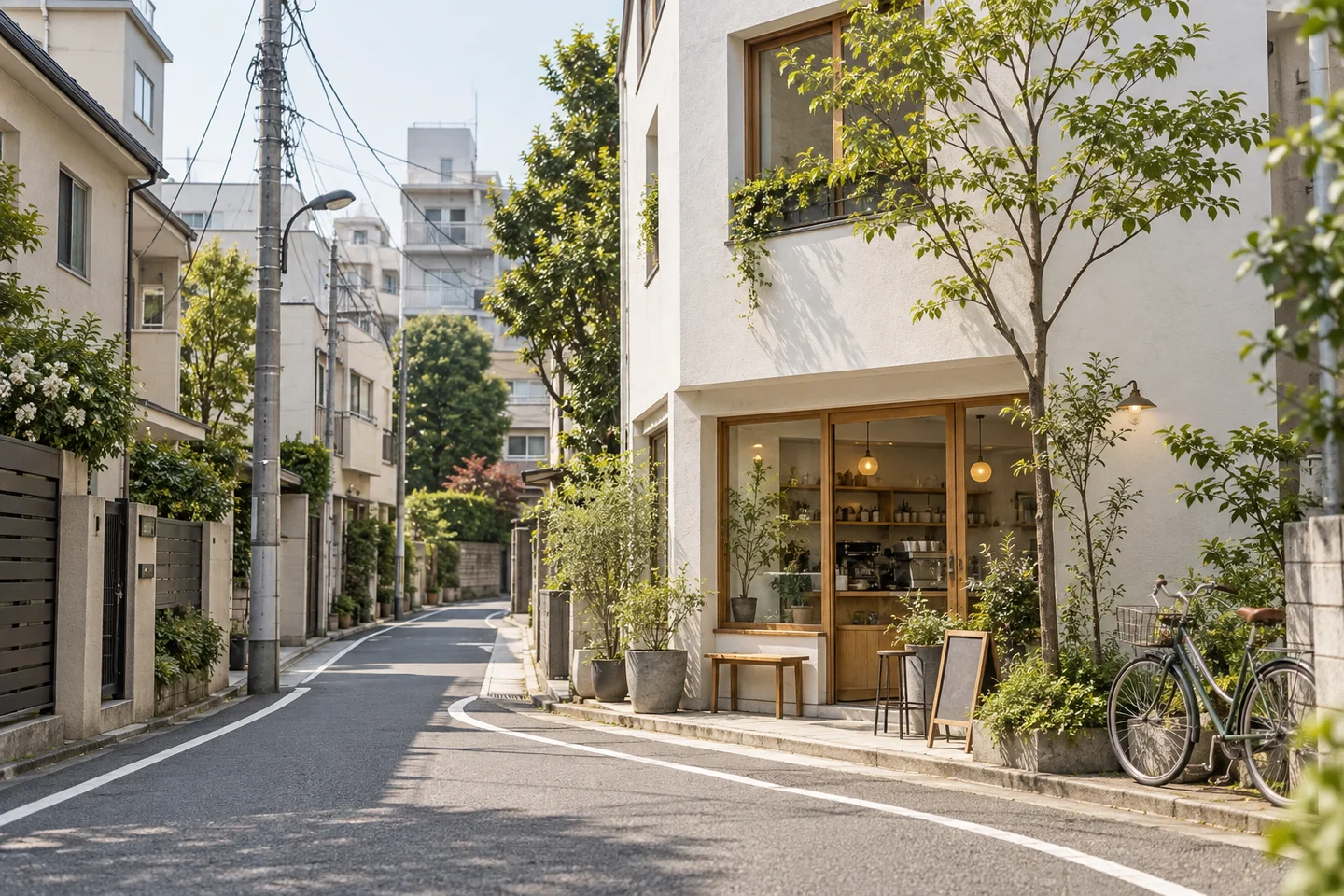
- This illustrative image was created with AI for LIVIA. It is not a photograph of a listed home and does not represent actual amenities, views or streetscapes.
- Publisher's role
- LIVIA publishes this article as a rental service provider. It includes information and links introducing our properties and related services.